


The state of blah…
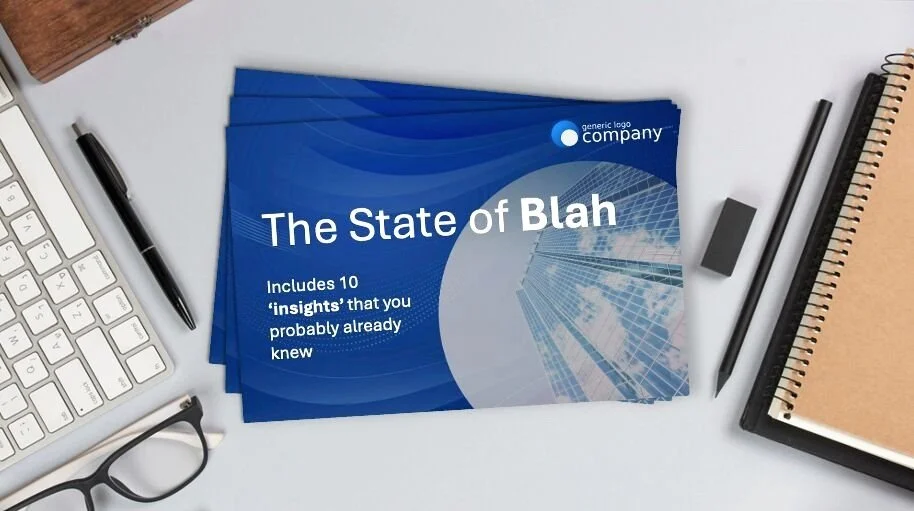
Last year, over 100 ‘The State of’ reports flooded the B2B tech sector. That’s a tidal wave of data, trends, and…very similar content.
Done well, these reports can be tech PR gold. Unique research fuels headlines, positions your brand as an industry leader, and serves up high-value SEO backlinks.
But far too many of these B2B reports fall victim to ‘blanding’—corporate visuals, uninspiring narratives, and a format that just blends into the background.
So, how do you make yours stand out? And how can you turn one industry report into a 12-month PR engine?
It’s time to give your ‘The State of’ report a glow up!
1. Start with storytelling: one clear, bold narrative
One of the biggest mistakes we see? Brands treating their reports as data dumps rather than compelling stories.
The most successful reports aren’t just a collection of stats—they have a clear, powerful narrative that highlights a shift in the market, a growing challenge, or an emerging trend that no one’s paying attention to (yet).
Before the survey even begins, ask yourself, what’s our big story? What’s the news hook that’s going to make our audience—and journalists—sit up and take notice?
2. Think like the media
Too often, B2B reports are written, designed, and then—only at the last minute—handed to the PR agency or team with a simple, “Can you get us coverage?”
This is backwards. The best reports are built for media attention from the start.
If you’re writing survey questions without thinking about the headlines they’ll generate, you’re setting yourself up for limited coverage. As an example, try this:
Instead of: ‘Do you use AI in retail advertising?’
Ask: ‘Did you use AI in the development of your Christmas ads?’
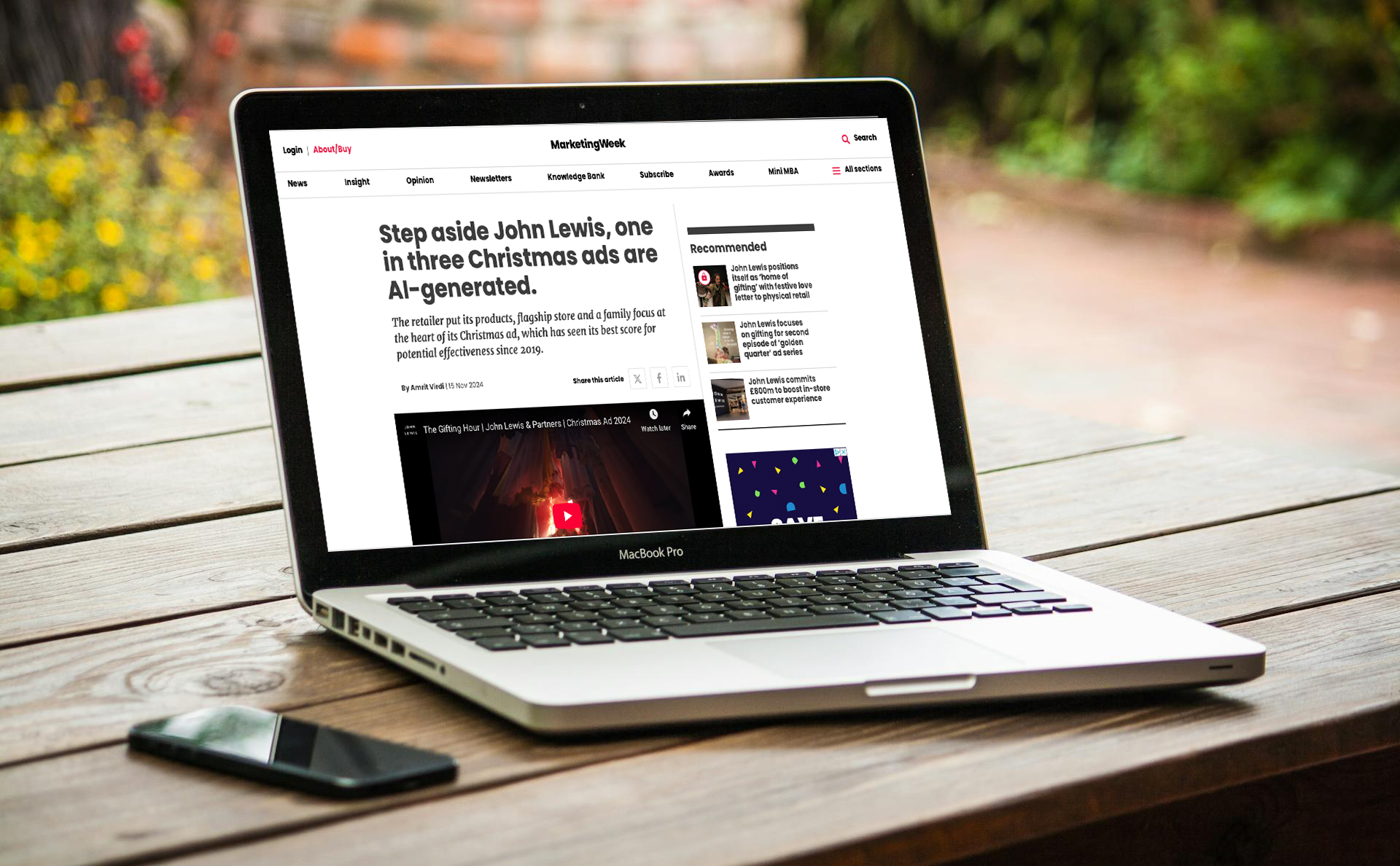
One gets you: “80% of retail advertisers use AI.” The other gets you: “Step aside John Lewis, one in three Christmas ads are AI-generated.”
Even if the second stat is lower, it’s far more eye-catching and media friendly. As a journalist, which one would you choose?
The key is to think like the media—craft questions that don’t just generate data but produce newsworthy insights that tap into trending topics, seasonal conversations, and provide evidence for a wider shift in behaviour.


Case Study: Quick Thinking
Confluent’s annual survey on real-time data wasn’t cutting through with the C-suite. So, we gave it a glow up!
Rebranded as Quick Thinking, we flipped the focus from data engineering to a hard-hitting business challenge: without real-time data, half of CEOs make high-stakes decisions based on gut feel alone!
With shocking stats and a relevant narrative, we broke Confluent into tier one business and national news for the first time. The new report also quickly became a vital source of new traffic and leads!

3. Don’t get stuck in the benchmarking trap
As a B2B PR agency, we’ve produced a lot of benchmark reports.
Don’t get us wrong, benchmarking has its place—you need to track trends over time. But too many ‘The State of’ reports recycle only the same questions, year after year, leaving little room for fresh insights. If you’re just rerunning last year’s survey with a new timestamp, you’re missing an opportunity to capture the unexpected.
Aim for a 50/50 split—half of your questions should track key trends, while the other half should explore new angles and unearth emerging industry shifts. Think about what’s changed in the last 12 months and what’s on the horizon. The best data points often come from questions you didn’t ask the year before.
4. Go beyond PDFs
If your report looks like every other corporate whitepaper, it’s already at a disadvantage.
Design isn’t just aesthetics—it’s a strategic tool to make your findings more engaging, shareable, and impactful. Wildfire has helped B2B brands turn dry data into visually striking, must-read content:
Experiment with format: Interactive charts, infographics, and even live dashboards can make a report feel dynamic and relevant for months, not just launch day.
Make data digestible: Wildfire took Goodlord’s insights and turned them into a supergraphic—a visual map of their market that people could instantly grasp and share.
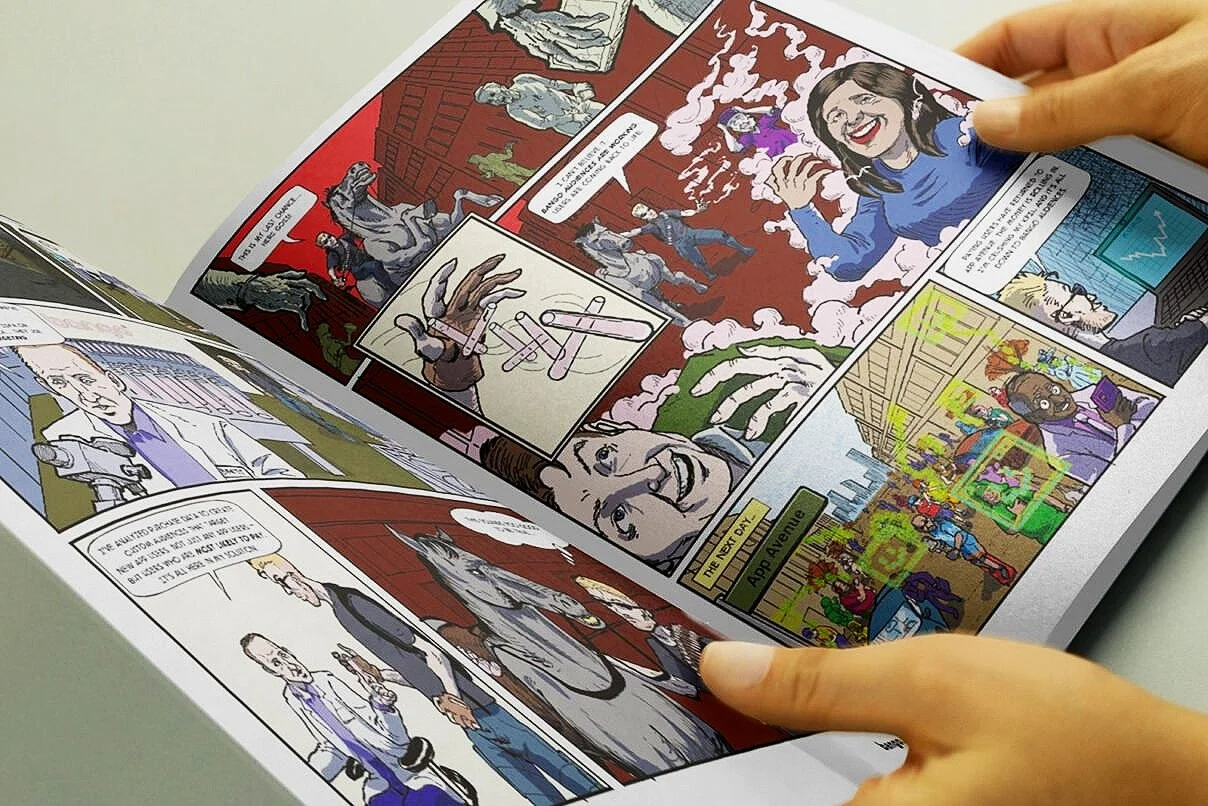
Have fun with it: Wildfire transformed Bango’s B2B research into a comic book, making their findings accessible and completely different from the usual corporate reports. B2B doesn’t need to be boring, and buyers like to see something new.

5. Keep the momentum going
Too many brands launch a report, push out a single press release, and then move on. That’s a huge missed opportunity. A well-crafted B2B tech report should fuel PR and content for months.
Here’s how Wildfire structures a long-tail PR strategy:
Create a visual launch: Picture stunts are a great way to bring new data to life. A simple low-cost photo can do wonders. Check out our Windows 7 case study for an example.
Launch at least 3-4 stories: Break key findings into separate story angles to sustain media interest. Every report should have multiple mini launch moments.
Spin-off content: Use insights for blogs, LinkedIn posts, infographics, and videos.
Create panels and roundtables: Use your data as a conversation starter at industry events. Reports are great—influential people discussing reports are even better!
Hold something back: Hold back a couple of questions or data cuts from your report. These can provide a vital source of ‘new’ news later in the year.
The best reports aren’t just moment-in-time publications—they’re a foundation for an ongoing PR and content pipeline.
Final thoughts
Industry reports are often seen as ‘collateral’—just another marketing asset. But why settle for that? A strong B2B PR agency will tell you that reports can be an event, a statement, and a conversation starter all in one.
“The State of…” reports are everywhere. But the ones that make an impact don’t just gather data—they own the conversation by telling a bold story.
So, if you’re planning to publish a new industry report, ask yourself: Are we just adding to the noise, or are we making a statement that will shape our market?

This post is part of our ongoing Comms Bootcamp series, helping tech PR and content professionals build more successful B2B campaigns.
Looking for help with your own annual research project? Contact our team below: