
AMA: Dan Raywood on pitching freelancers
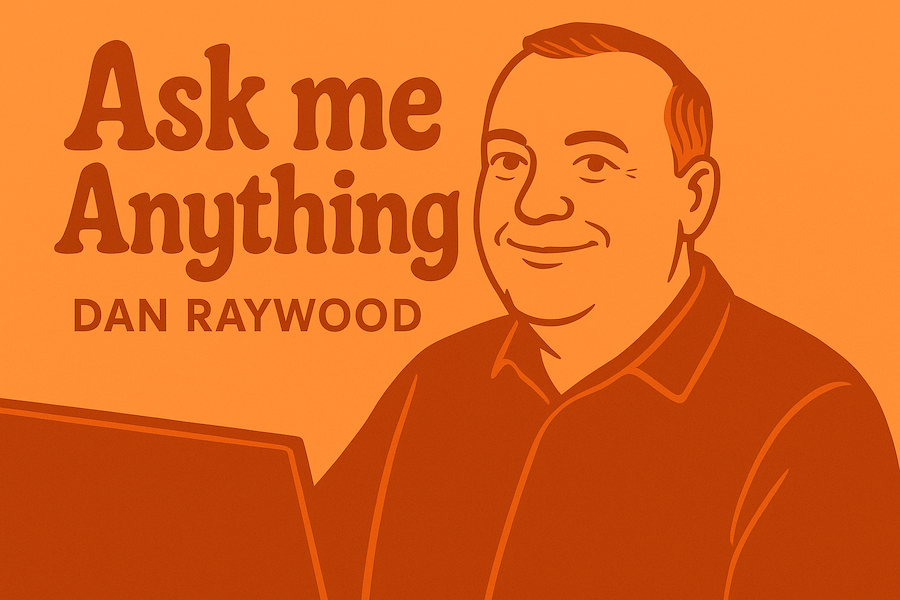
Wildfire recently hosted another ‘Ask Me Anything’ session, this time with freelance cybersecurity journalist Dan Raywood. Dan’s been in the industry for 24 years (17 of those covering cyber) and now splits his time between writing news for SC Media UK and working across other publications and projects.
The session was jam-packed with insights into how freelancers work, what makes a good spokesperson, and how PRs can better support journalists under constant time pressure.
Here are a few of our favourite takeaways.
It’s not just about the pitch, it’s about the person
Dan made it clear that one of the first things he considers when opening an email pitch is who it’s from. A familiar name — someone he’s met, spoken to, or worked with before — is always more likely to get his attention. It just goes to show that trust and relationships still go a long way, especially when he’s scanning through three different inboxes each day.
That said, it’s not just about having a name he recognises. The content still needs to work hard. If a pitch can’t be easily understood in 10 seconds, it’s unlikely to win him over.
A good spokesperson isn’t about a job title
When it comes to finding the right spokesperson for a story, Dan’s priorities are pretty clear: availability, subject knowledge, and a willingness to say something meaningful.
Being someone who is too tied up to talk, constantly travelling or only available “next week” won’t help a journalist who’s working to tight deadlines. Instead, being prepped, on-hand, and responsive will go a long way.
But beyond logistics, it’s also about insight. Dan told us he doesn’t care much about job titles. Instead, what matters is whether the person actually knows their stuff. While that might sound surprisingly simple, it’s incredibly important. Journalists aren’t looking for someone to repeat brand messaging — they want clarity, relevance, and a point of view.
It’s exactly the kind of mindset we advocate in our media training so it’s great to see journalists backing it too.
Surveys: less is more
Surveys can be a powerful vehicle for securing coverage, but only if they’re done right. Dan sees his fair share of data-driven pitches and while some stand out, many miss the mark. In fact, he let us know that he recently received eight survey pitches in a single day.
To make sure yours strikes the right chord:
Make sure the data builds on a clear theme
Don’t send 15 disjointed data points, send five that actually connect
Always include the sample set
Avoid unnecessary geographical breakdowns unless the survey is fully localised
Alongside these top tips, he also mentioned SC UK runs a ‘news in brief’ (NIBs) section. So, short, well-structured summaries are useful to the editorial team, especially if they can be written up in a few paragraphs.
Freelance vs full-time
One of the most useful parts of the session was hearing how Dan’s working patterns have changed since going freelance. With multiple clients, tighter deadlines, and billable hours to manage, he’s much more conscious of how he spends his time.
It sounds obvious, but that means that if you’re inviting him to a roundtable, event or interview, it needs to be worth the time out. For bigger events — especially international ones — exclusivity and access to real stories will make the difference between a ‘yes’ and a ‘no’.
And finally…
A lot was said in Dan’s session, and I couldn’t possibly cover it all in one blog. But, here are some final reminders we’ll be taking into our future outreach:
A good story should always matter more than a big name
Tuesdays are the busiest inbox day
Pre-event meetings are often more effective than shoehorned 1:1s at the event itself
Ex-military spokespeople who now work in cybersecurity are more common than many PRs realise, and that means they aren’t as novel a spokesperson as you might think
Why we’re making this a regular thing
A huge thank you to Dan for taking the time to share such honest and practical advice with the team. These AMA sessions are all about helping us understand how journalists work today and how we can collaborate better. And this session delivered.
We’ve got more lined up, with plans to bring even more journalists into the office for informal, open conversations that give us real insight into what makes a story stand out. It’s all part of our commitment to sharpening our media instincts and delivering the best possible results for our clients.
Looking for tech PR that drives results?
If you’re a journalist who’d be up for taking part in a future session, we’d love to hear from you.
Or if you want to learn more about how we approach media relations at Wildfire, get in touch using the form below.
