Was the iPhone 4.0 leak just a big PR stunt?
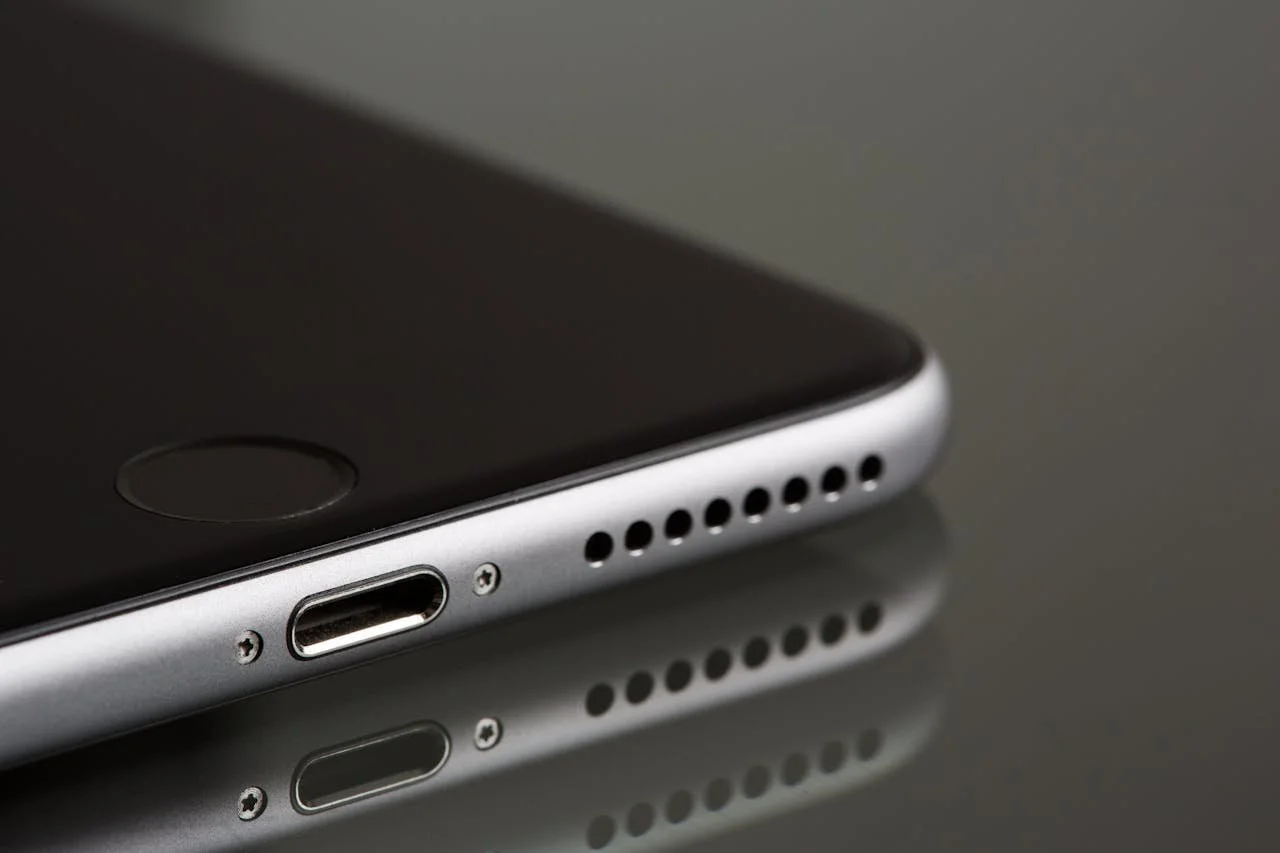
Is this one of the most famous leaks in tech history? Back when images of the next iPhone surfaced online, the tech PR world went into overdrive. Whether it was an unfortunate accident or a calculated stunt, the saga became a case study in how leaks, speculation, and media coverage collide to create a global PR frenzy.
The Story Behind the Leak
Here’s how the drama unfolded:
Tech blog Engadget published alleged images of Apple’s unreleased iPhone.
Rival outlet Gizmodo went one step further, claiming to have the physical device, publishing detailed photos and even a video.
Rumours swirled that Gizmodo paid for the device, sparking debate about the ethics of buying what was essentially stolen property.
Reports suggested that Gray Powell, a 27-year-old Apple software engineer, was the unlucky employee who lost the prototype in a California bar.
The story quickly exploded across the media, raising questions not only about Apple’s secrecy but also about the lengths journalists would go to break a scoop.
Was It a PR Stunt?
The natural question for anyone in PR and communications: was this all carefully orchestrated by Apple? On the surface, a stunt might make sense—it created global buzz. But dig a little deeper and the idea becomes far less likely.
Here’s why:
Apple doesn’t do leaks by design. Its entire launch strategy has always been built on strict secrecy and surprise.
It risked overshadowing the iPad. Apple had just launched the iPad, which was facing mixed reviews outside the US. A distraction wasn’t in their best interest.
Mystery fuels Apple hype. Revealing the iPhone too early risked diluting the excitement of the official launch.
Far more plausible is that this was simply a mistake—a very costly one.
The PR Impact
For Apple, the leak didn’t create lasting damage. If anything, it amplified anticipation ahead of the official launch. But from a reputation management standpoint, the fallout highlights the risks of leaks for any tech brand.
Loss of narrative control: Once an unauthorised story is out, the brand can’t dictate the agenda.
Speculation and misinformation: Without official comment, media and consumers fill the void with rumour.
Employee risk: Internal mistakes—like leaving a prototype in a bar—can turn into high-profile scandals.
For B2B technology companies, the lesson is clear: leaks may generate attention, but they rarely generate trust. In industries where credibility is everything, maintaining control of your message is vital.
Lessons for B2B Tech PR
So, what can brands learn from the iPhone leak?
Protect your launches: Product secrecy and NDAs remain essential in competitive markets.
Plan for leaks: Every PR strategy should include a crisis comms protocol in case sensitive information gets out.
Own the story: When leaks do happen, speed and transparency in communications can limit reputational damage.
Anticipate interest: The bigger the innovation, the greater the likelihood of leaks—make monitoring and scenario planning part of your PR playbook.
To leak or not to leak?
For Apple, this episode became part of its folklore. For other tech brands, however, a leak can cause real reputational harm. The takeaway for today’s B2B tech marketers is simple: while surprise builds excitement, control builds trust. And in a world where leaks spread instantly across search, social, and news, your PR strategy needs to be watertight.
At Wildfire, we help B2B technology companies balance buzz with brand protection—ensuring their big moments make headlines for the right reasons.
Want to know more. Get in touch.